Turn that fixer-upper into a dream home with our Fix & Flip home loans. Get the financial backing you need to turn a property with potential into a real gem.
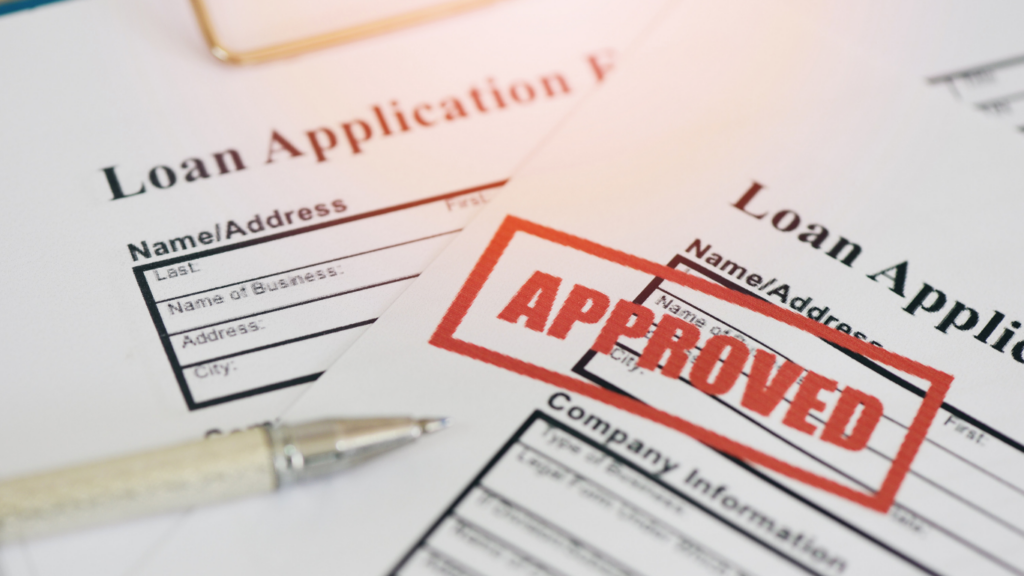
Get the financial backing you need to turn a property with potential into a real gem.
What is a Fix & Flip Home Loan?
A Fix & Flip home loan (also called a rehab loan) is a financing option designed specifically for real estate investors who want to buy a distressed or run-down property, renovate it (“fix”), and then sell it (“flip”) for a profit. These loans are structured to help cover both the purchase price of the property and the renovation costs, which is one of the main reasons they’re so useful in the fix-and-flip world.
Traditional mortgage lenders may hesitate to fund properties in poor condition or projects with heavy renovations, mainly because the risk profile is different from a typical owner-occupied purchase. Fix & Flip loans are usually offered by specialized lenders who understand the renovation timeline, the after-repair value (ARV), and the investor’s strategy. With flexible terms and a faster funding approach, Fix & Flip financing can help investors complete projects more efficiently and potentially maximize returns.
How Fix & Flip Loans Work
Fix & Flip financing typically focuses on the investment property and the project’s potential rather than treating it like a standard primary residence mortgage. The goal is to provide capital quickly so investors can purchase the property, start renovations, and sell within a shorter time frame. The loan is commonly structured as short-term financing, which matches the nature of a flip project where the property is not intended to be held long-term.
Because the timeline is compressed, investors often prioritize speed, flexibility, and access to renovation funds. Fix & Flip loans are designed around that reality, giving investors a single financing solution to support both acquisition and construction costs, rather than splitting the project into separate loans.
Benefits of Fix & Flip Home Loans
Fix and flip home loans offer several advantages for real estate investors who want to renovate and resell properties efficiently.
Quick Financing for Time-Sensitive Deals
Fix & Flip opportunities can move fast, especially when a property is priced below market due to its condition. Many fix-and-flip loan programs are built to fund quickly so investors can act on opportunities without waiting through a long traditional mortgage process.
Flexible Terms Based on the Project
Fix & Flip loans are often structured to match the renovation timeline and budget. This flexibility can be especially helpful when projects vary widely in scope—from light cosmetic updates to major rehabs that require more time and capital.
Lower Monthly Costs During Renovation
Many lenders offer interest-only payments during the renovation period. This can reduce monthly carrying costs while the property is being improved and not yet producing income, helping investors manage cash flow throughout the rehab.
Financing Based on the Investment Property
Fix & Flip loans are often underwritten with strong emphasis on the property and the project plan, not only the borrower’s personal income. That structure can help investors keep the project financing separate from personal finances and may support investors who operate through entities for asset protection strategies.
Have questions? Give us a call. One of our mortgage specialists would be happy to answer your questions.
The Process for Applying for a Fix & Flip Home Loan
Applying for a Fix & Flip loan requires planning and clear documentation. A strong application usually shows that the investor understands the project numbers, timeline, and exit strategy.
Review Credit Reports
Start by pulling your credit reports and reviewing them for accuracy. Fix & flip lenders may evaluate credit, and correcting errors early can strengthen your application.
Save for a Down Payment
Fix & flip loans often require a down payment. Many programs expect something in the range of 10%–20% of the purchase price plus renovation costs, depending on the lender and the deal structure. Having funds ready can make the process smoother and help you move faster on a property.
Compare Fix & Flip Lenders
Look for lenders with experience in rehab loans and real estate investment projects. Compare loan amounts, terms, APRs, and the overall process. Experience, reputation, and clarity on fees matter—especially for short-term loans where timelines are tight.
Gather Documentation and a Detailed Rehab Plan
Lenders commonly ask for documentation such as tax returns, bank statements, business financial records (if applicable), and a detailed rehab plan that outlines renovation scope, budget, and timeline. A clear rehab plan demonstrates that the project is organized and feasible.
Submit a Formal Application
Once you’ve selected a lender, submit the application with complete documentation. Providing everything upfront can reduce delays and help the lender evaluate the deal more efficiently.
Types of Fix & Flip Home Loans
There are multiple ways investors finance fix-and-flip projects. The best option often depends on the property, your timeline, and whether you want a loan designed specifically for a flip.
Short-Term Fix & Flip Loan
This is one of the most common solutions for flipping. It’s designed to fund the purchase and renovation of distressed properties with a shorter repayment window. These loans are frequently offered by private money lenders or specialized institutions. They often fund faster than traditional mortgages and can cover both acquisition and rehab costs under one structure. Because risk is higher, interest rates are often higher than conventional financing, and the loan may be influenced by the property’s projected value after renovations.
Bridge Loan
A bridge loan can serve as short-term financing that helps an investor secure a property quickly while preparing longer-term financing or planning to sell after renovations. In a fix-and-flip context, bridge loans may be useful when timing is critical and the investor wants immediate access to funds to close and begin work. These loans are often asset-based, meaning the property itself is heavily considered in underwriting.
Construction Loan
Construction loans may be used when the renovation scope resembles a major rebuild, structural rehab, or heavy construction. These loans often work through draw periods, where funds are released in stages as work progresses. Interest is commonly charged on the amount drawn rather than the full loan amount, which can help manage interest expense during the renovation phase. Once the work is completed, the loan may be converted or replaced with longer-term financing depending on the investor’s exit strategy.
Lines of Credit
Some investors finance rehabs using lines of credit. Two common categories include business lines of credit and investment property lines of credit.
Business Line of Credit
A business line of credit can provide flexible access to capital for renovations, materials, and contractor payments. Borrowers can draw funds multiple times up to a set limit and pay interest only on the amount used. This can be helpful for investors managing multiple projects or needing flexibility as expenses arise.
Investment Property Line of Credit
This option allows investors to borrow against equity in existing rental or investment properties. It can provide project funding while leveraging current assets. These lines of credit may offer flexible borrowing and may support investors who want to reinvest equity into additional flips.
Eligibility Requirements for Fix & Flip Home Loans
Eligibility varies by lender and loan program, but most fix-and-flip lenders evaluate a combination of borrower strength and deal strength.
Common considerations include credit history, experience in real estate investing, proof of funds for down payment and closing costs, and a clear renovation plan. Many lenders also look at cash reserves to ensure the investor can handle carrying costs if the project timeline shifts.
Credit Score Requirements
Credit score requirements vary, but many lenders prefer credit scores around 650 or higher for fix-and-flip financing. Some programs may require higher scores, especially when loan amounts increase or when the project risk is greater. Lenders also look at the overall credit profile: payment history, debt levels, and credit management. Strong credit can support better terms and potentially lower interest rates.
Income Requirements
Lenders may review both personal and business income depending on the program. Borrowers are often asked to provide tax returns, bank statements, and financial statements to support income and overall financial stability.
Debt-to-income ratio (DTI) may also be considered, especially when the borrower has existing obligations. A healthier DTI can strengthen the application by showing the borrower can handle monthly payments during the renovation period.
Financial Institutions, Lenders, and Money Lenders
Fix & flip loans are commonly offered by banks, credit unions, and private lenders.
Banks and credit unions often have stricter lending criteria, longer underwriting timelines, and more documentation requirements. Private lenders may offer more flexibility and faster funding, but they often charge higher interest rates and may structure loans with shorter terms. The best choice depends on the investor’s timeline, deal profile, and financial strategy.
Important Considerations When Obtaining a Fix & Flip Home Loan
Before choosing a fix-and-flip loan, investors should evaluate the full cost of the project and how the financing impacts profitability.
Key areas to review include purchase price, renovation budget, holding costs (insurance, taxes, utilities), closing costs, and the expected resale price. It’s also important to understand the loan term, payment structure, interest rate, and any fees or penalties.
Interest Rates and Fees
Fix-and-flip financing often has higher interest rates than traditional mortgages because it is short-term and tied to a higher-risk project. Interest rates can vary by loan type, and loans used for quick acquisition or bridging can also carry higher pricing.
Fees commonly include origination fees and closing costs such as appraisal, title-related fees, and legal costs. Understanding the full fee structure upfront helps investors accurately calculate project margins and avoid surprises.
Down Payments and Equity
Down payments are a major factor in fix-and-flip financing. A larger down payment can reduce the loan amount and may improve eligibility depending on lender guidelines. Equity also matters because lenders often assess how much “skin in the game” the borrower has.
Some investors use equity strategies, including cash-out refinancing on existing properties, to generate funds for future deals. Leveraging equity can be a way to fund flips, but it’s important to account for the added debt exposure and ongoing obligations tied to that strategy.
Conclusion
Fix & Flip home loans are a powerful tool for real estate investors who want to transform distressed properties into profitable opportunities. With the right financing structure, clear rehab plan, and understanding of costs, investors can use fix-and-flip loans to move quickly, renovate efficiently, and execute a strong resale strategy.
Fix & Flip Loan FAQ
Are fix and flip loans worth it?
It depends on experience, numbers, and market conditions. They can be worth it when an investor can renovate efficiently and sell at a strong profit margin.
What is the 70% rule in house flipping?
The 70% rule suggests an investor should pay no more than 70% of the after-repair value (ARV) minus repair costs. It is a guideline to help avoid overpaying.
How much money do you need to fix and flip a house?
It depends on the property, renovation scope, and location. Investors generally need enough capital for purchase and repair costs, which can vary widely depending on the deal.
How long does the average fix and flip take?
Many fix-and-flip projects take about 6 to 12 months, including purchase, renovation, and resale, though timelines vary based on rehab complexity and market conditions.
We’re all about making homeownership dreams come true. We specialize in residential mortgage financing and offer a wide range of loan programs to fit your unique needs.